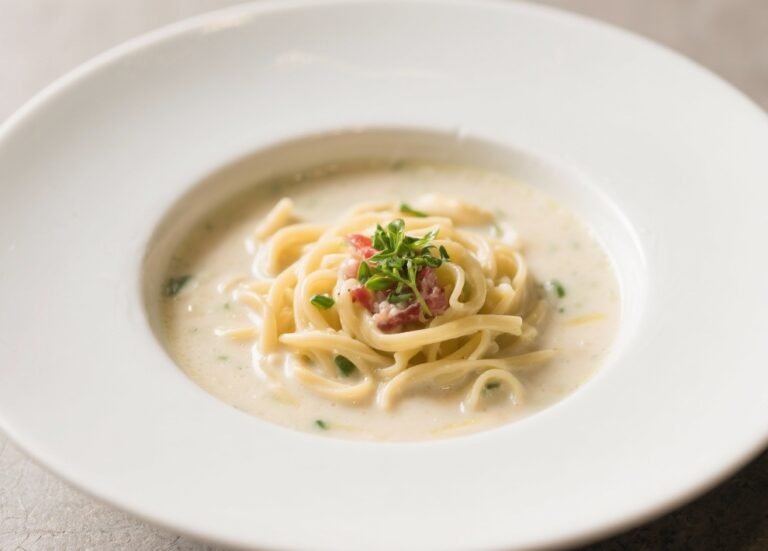
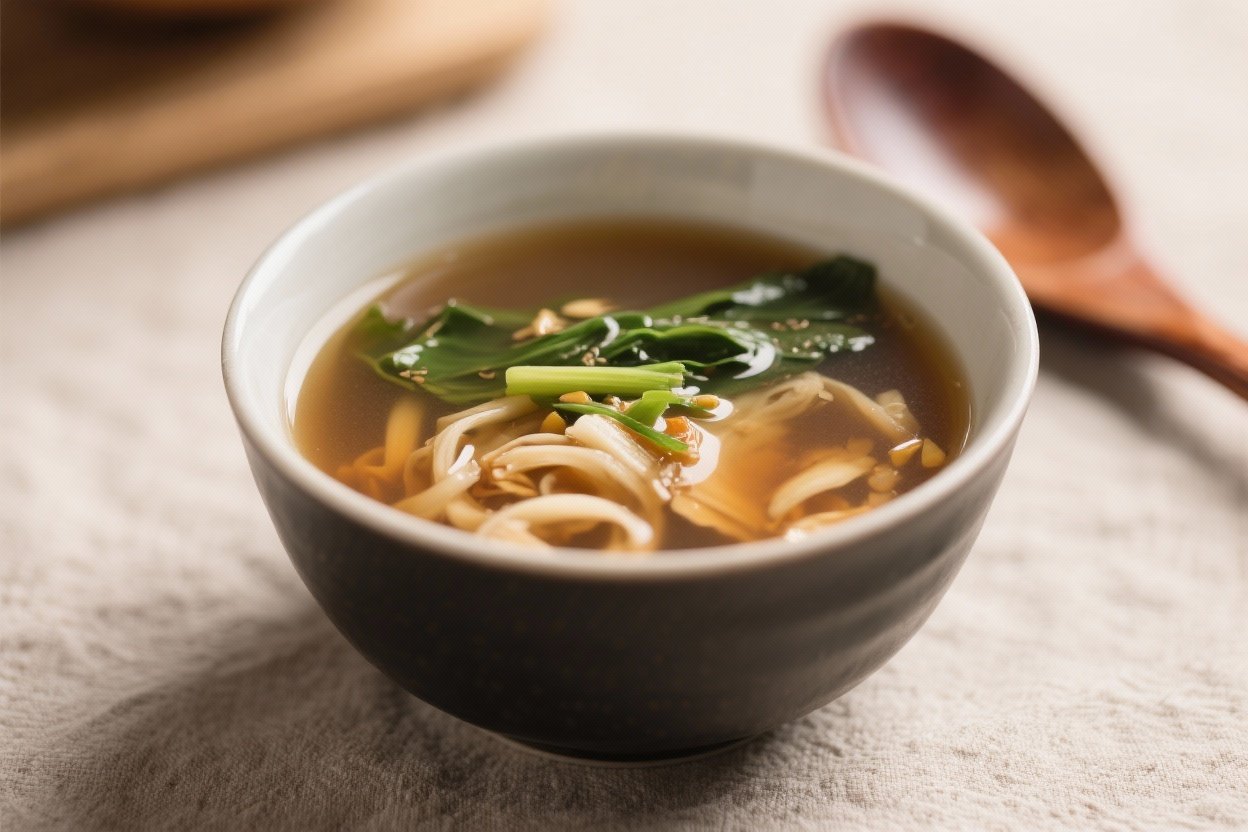
Homemade Miso Soup That Tastes Like a Zen Retreat (In 10 Minutes, No Fancy Gear Needed)
Skip the takeout app. You can make a steaming bowl of Homemade Miso Soup faster than your delivery driver can find parking. It’s clean, comforting, and quietly impressive—like that friend who “doesn’t really cook” but somehow makes magic.
This is your weeknight cheat code: minimal ingredients, max flavor, and zero culinary chaos. If you can stir a spoon, you can crush this.
The Secret Behind This Recipe
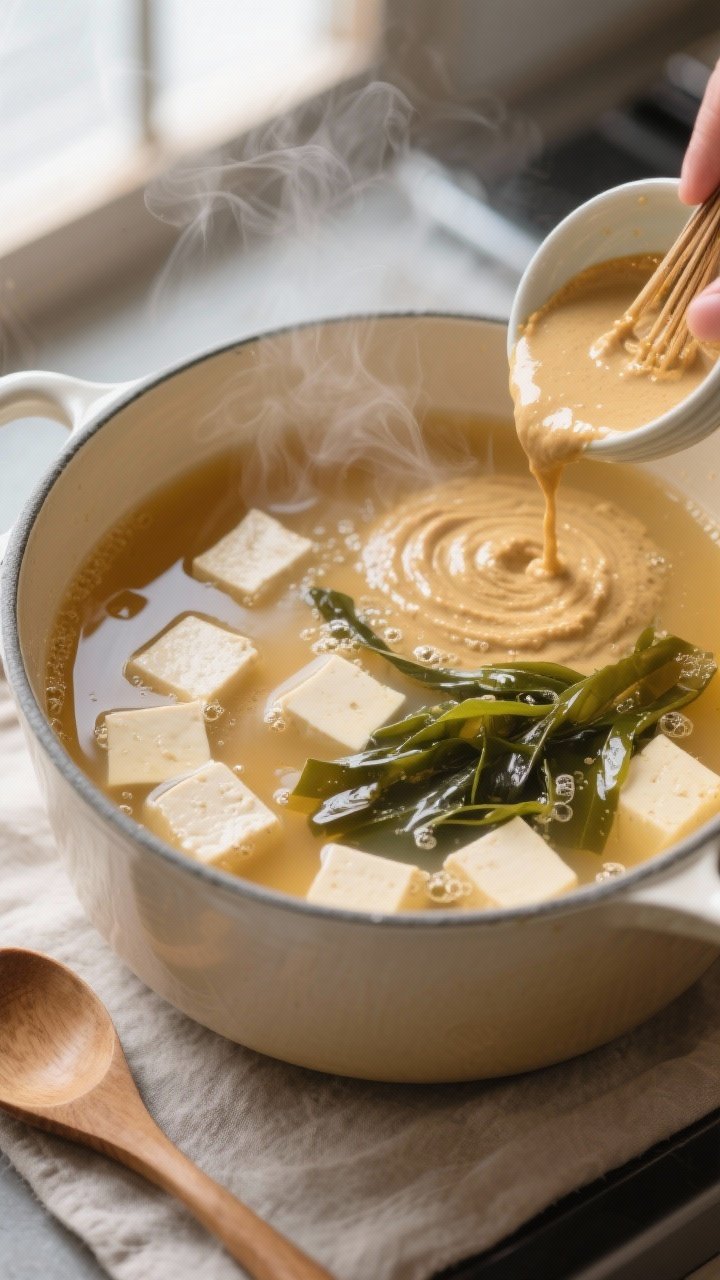
The magic of great miso soup lives in three things: the dashi, the miso paste, and the timing. Dashi is the umami backbone—clear, ocean-bright, and deeply savory.
Using kombu (dried kelp) and bonito flakes gives you that legit Japanese depth you can’t fake. Miso paste is the soul. White miso (shiro) is sweet and mellow; red miso (aka) is funky and bold; mixed miso (awase) sits in the perfect middle.
The final trick? Never boil miso. Heat nukes the delicate flavors and probiotics.
You whisk it in at the end like a pro, then quietly take a bow.
Ingredients Breakdown
- Kombu (dried kelp), 1 piece (4–5 inches) – Provides clean, oceanic umami for your dashi.
- Bonito flakes (katsuobushi), 1 cup loosely packed – Smoky-salty depth; skip if making vegetarian dashi.
- Water, 4 cups – Filtered if possible for clarity and flavor.
- Miso paste, 3–4 tablespoons – Shiro for light, aka for bold, awase for balanced.
- Silken or soft tofu, 6–8 ounces, cubed – Classic, creamy contrast.
- Wakame (dried seaweed), 1–2 teaspoons – Rehydrates into tender, briny ribbons.
- Scallions, 2–3, thinly sliced – Fresh bite to finish.
- Optional boosts: mushrooms (shiitake or enoki), baby spinach, grated ginger, sesame oil (a few drops), a splash of soy or tamari, chili crisp for heat.
- Vegetarian dashi option: Skip bonito and use kombu + dried shiitake for a rich plant-based broth.
Let’s Get Cooking – Instructions
- Prep the kombu. Wipe the surface gently with a damp cloth to remove excess white residue (don’t scrub off the flavor). Place kombu and 4 cups water in a pot.
- Heat the kombu slowly. Bring just to the edge of a simmer over medium heat, about 8–10 minutes. Small bubbles?
Good. Full boil? Not good.
Remove kombu right before it boils to avoid slimy bitterness.
- Add bonito flakes. Turn off heat, add bonito, and let steep 3–4 minutes. Don’t stir aggressively—gentle is key.
- Strain the dashi. Pour through a fine strainer or cheesecloth into a clean pot. Discard flakes (or save for furikake if you’re thrifty).
- Wake the wakame. In a small bowl, soak dried wakame in warm water 5 minutes.
Drain and squeeze lightly. It expands like crazy—FYI, a little goes far.
- Add tofu and wakame. Bring dashi back to a gentle simmer. Add tofu cubes and rehydrated wakame; warm through 2–3 minutes.
- Temper the miso. Ladle some hot broth into a small bowl.
Whisk in 3 tablespoons miso until smooth. Turn off the heat on your soup pot.
- Finish the soup. Pour the miso mixture back into the pot. Taste.
Need more oomph? Add up to 1 tablespoon more miso, whisked in the same way.
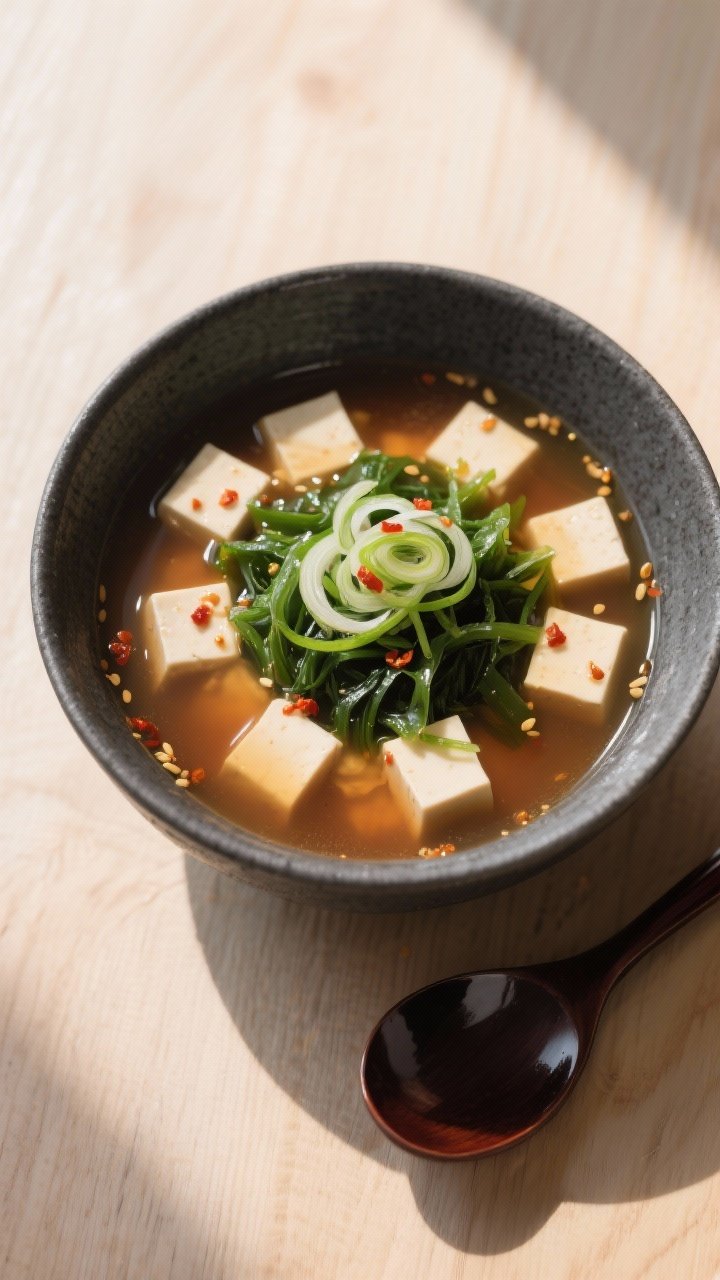
- Garnish and serve. Ladle into bowls. Top with sliced scallions.
Optional: a few drops of sesame oil or a sprinkle of chili for vibe.
How to Store
- Short-term: Cool quickly and store in an airtight container up to 3 days. Keep the miso and garnishes separate if possible to preserve brightness.
- Reheat: Warm gently over low heat until hot but not boiling. If it boils, you’ll mute flavor and kill probiotics—sad times.
- Freezing: Dashi freezes well; tofu and wakame don’t love the freezer.
Freeze the broth, then add fresh tofu/miso when reheating.
Why This is Good for You
- Gut-friendly probiotics: Unboiled miso brings living cultures that can support digestion.
- Mineral-rich: Kombu and wakame contribute iodine, calcium, and magnesium—tiny sea vegetables, big micronutrient energy.
- Light but satisfying: Protein from tofu plus umami means you feel full without a food coma.
- Low effort, high payoff: When healthy tastes this good, consistency gets easy, IMO.
Common Mistakes to Avoid
- Boiling the miso: This flattens flavor and kills probiotics. Always add off heat.
- Overcooking kombu: Boiling releases slimy textures and bitterness. Remove right before simmer.
- Using too much wakame: It expands a lot.
Start small; you can always add more.
- Skipping the strain: Cloudy, gritty broth is a vibe-killer. Strain bonito cleanly.
- Using old miso: Stale miso tastes dull. Store sealed in the fridge and check the date.
Recipe Variations
- Vegetarian Power Dashi: Kombu + dried shiitake.
Steep sliced shiitake caps for 20 minutes; strain and slice to add back to the soup.
- Ginger-Scallion Boost: Add 1 teaspoon freshly grated ginger and extra scallions for zing that clears the head on cold days.
- Spinach and Enoki: Toss in a handful of baby spinach and a cluster of enoki mushrooms for texture and color.
- Spicy Chili Miso: Stir in a half-teaspoon chili crisp or togarashi. Not traditional, but your bowl, your rules.
- Clam or Shrimp Miso: Steam clams in the dashi or poach small shrimp briefly. Seafood plus miso = restaurant-level flavor.
- Roasted Sweet Corn Twist: Add a few spoonfuls of charred corn kernels for a sweet-smoky contrast—unexpected and ridiculously good.
FAQ
Can I use instant dashi granules?
Yes.
They’re convenient and surprisingly solid. Use according to the package and proceed with the recipe. For the best flavor, add a small piece of kombu to the water as it heats for an extra umami boost.
What type of miso should I buy?
If you’re new to miso, start with shiro (white) or awase (mixed).
They’re versatile and mellow. Red miso is stronger and saltier—awesome, but go lighter on the amount and taste as you go.
Is miso soup gluten-free?
Often, yes—but check labels. Some miso pastes use barley or wheat.
Look for rice-based miso and use tamari instead of soy sauce if you add it.
Can I make it ahead?
You can prep the dashi and store it, then add tofu, wakame, and miso right before serving. This keeps textures fresh and flavors bright.
Why is my soup cloudy or muddy?
Likely over-stirring bonito or not straining well. Also, boiling after adding miso can dull and cloud the broth.
Keep it gentle and you’ll get that clean, restaurant look.
How salty should it be?
Miso varies in saltiness. Start with 3 tablespoons, taste, then add up to 1 more. You want savory and balanced, not a salt bomb.
Can I skip tofu?
Totally.
Add mushrooms, spinach, or extra wakame for body. You can also use firm tofu if you prefer more bite.
Final Thoughts
Homemade Miso Soup is the ultimate low-lift, high-reward move. You’re 10 minutes away from a bowl that’s warming, clean, and quietly elite.
Keep kombu, miso, and wakame in your pantry and you’ll always have a comfort plan—no microwave dinner required. Make it once and this becomes your new “I’ve got this” meal, no flex necessary.
Printable Recipe Card
Want just the essential recipe details without scrolling through the article? Get our printable recipe card with just the ingredients and instructions.